Kyoto
Kyoto Temple Visits — A Journey Through Silence, Details and Light
Kyoto is one of those places where time feels slower. Even when the city is busy, the moment you step through a temple gate, everything changes: the sound becomes softer, your pace naturally slows down, and your attention shifts to details you would normally miss.
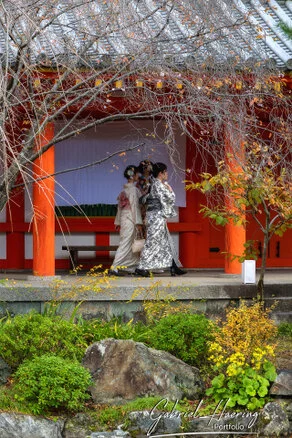
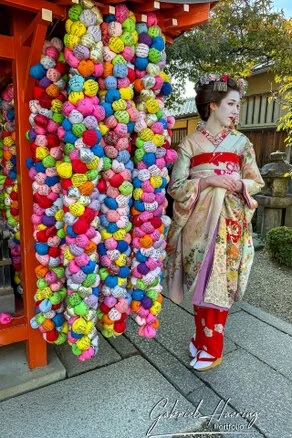
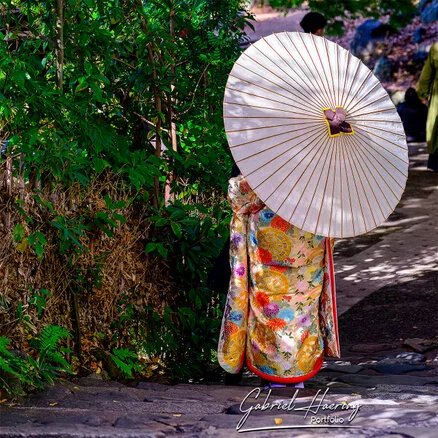
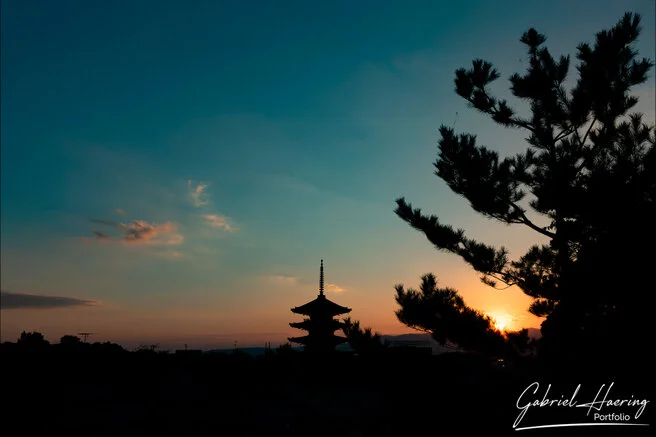
During our days in Kyoto, we visited several temples and shrines, each with its own atmosphere — some majestic and crowded, others quiet and almost hidden. What surprised me most was how different they felt, even though they all belong to the same city. Kyoto is not one single “temple experience”; it is a collection of moods, textures, colours, and moments.
Our first visits set the tone immediately. Walking through the entrances, I noticed the contrast between the structured architecture and the organic world surrounding it: stone paths, moss, trees, and the gentle sound of water in the background.
Inside the temple grounds, everything seemed intentional. Lanterns were placed with precision, wooden beams showed centuries of craftsmanship, and gardens were designed not to impress through size — but through balance. When I started taking photographs, I naturally focused on lines, symmetry, and the calm repetition of details: roof tiles, carved wood, small statues, and the soft light reflecting on stone.
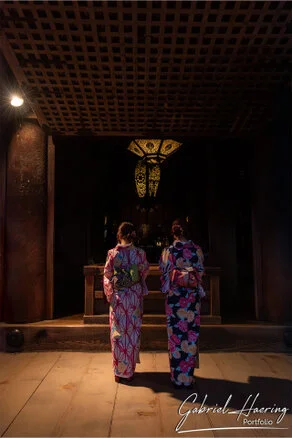
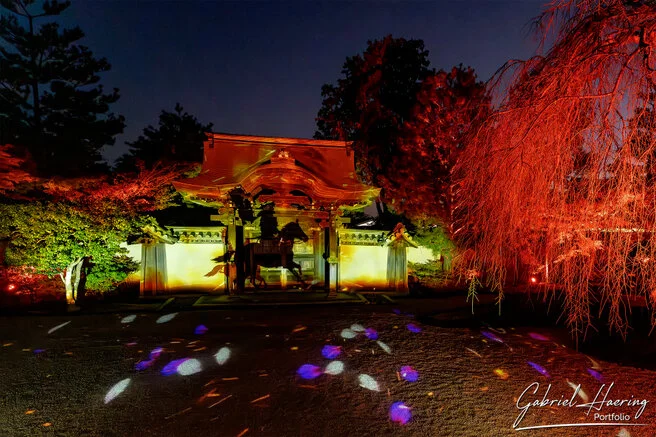
Some of the most famous temples were also the busiest, and yet they still managed to feel special. Even with people around, there were moments where I could isolate a scene: a visitor pausing in silence, the shadow of a roof falling perfectly on a wall, or a single maple leaf catching the light.
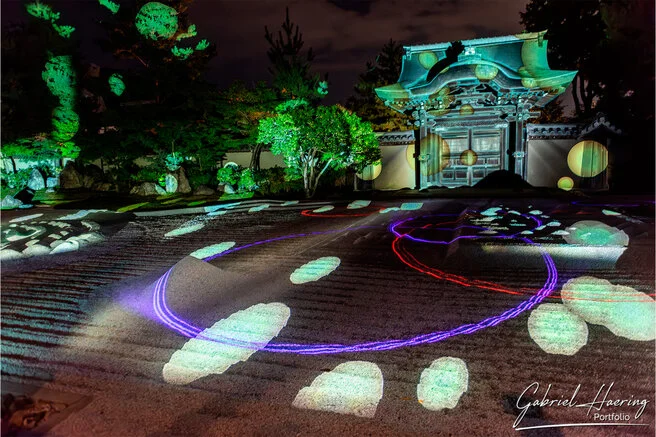
In these places, photography becomes an exercise in patience. I often waited for the right frame, letting groups pass, searching for a clean composition. And sometimes, the best images were not the wide views — but the smaller fragments: a hand on a wooden railing, a detail of a gate, a pattern in the gravel garden.
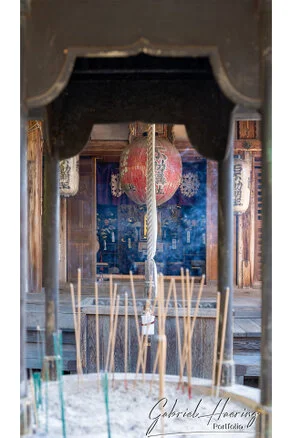
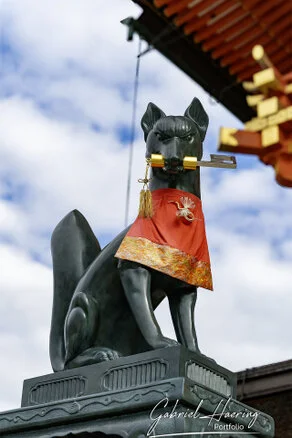
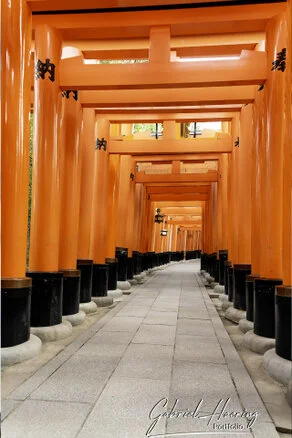
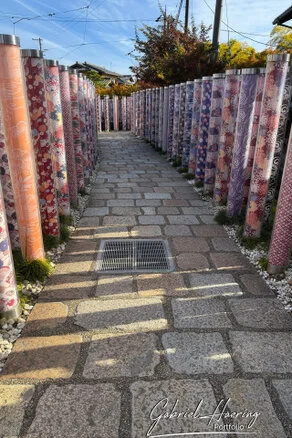
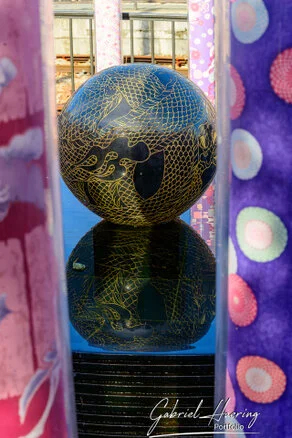
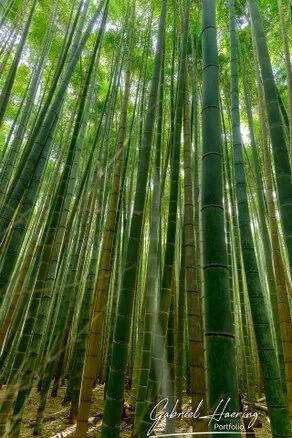
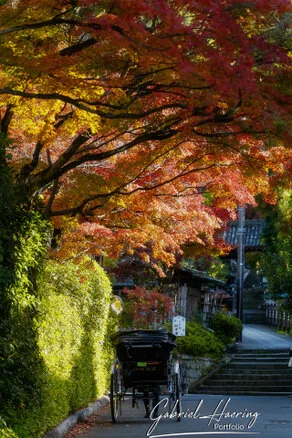
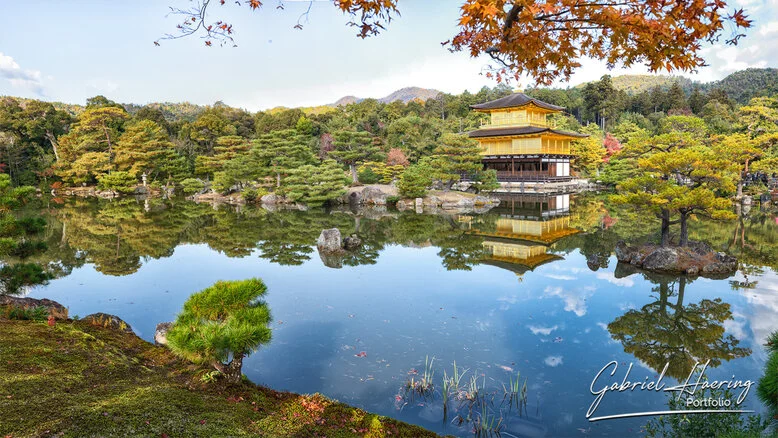
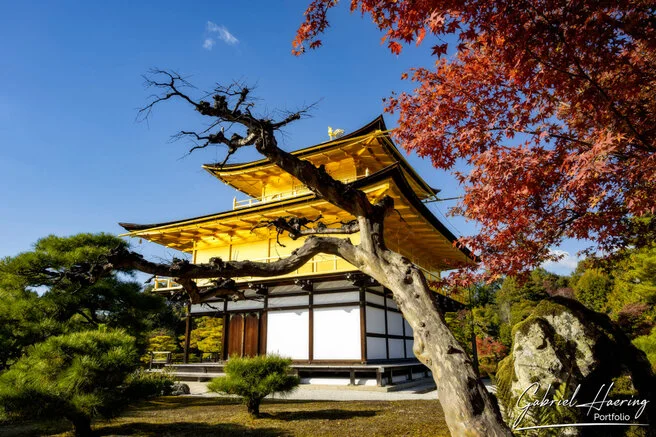
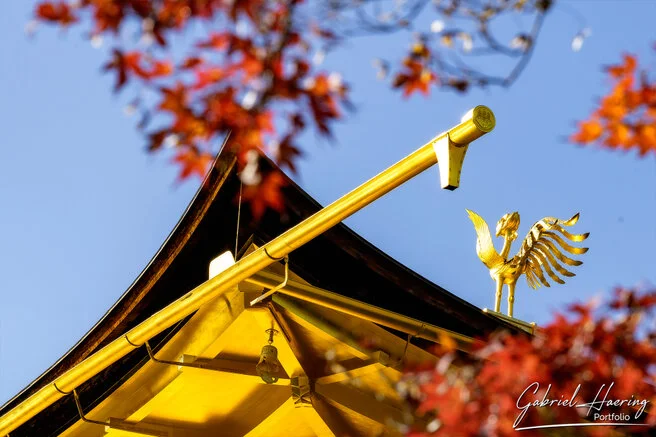
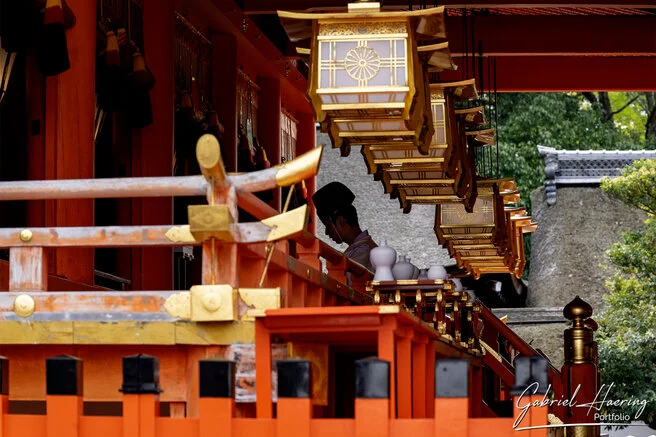
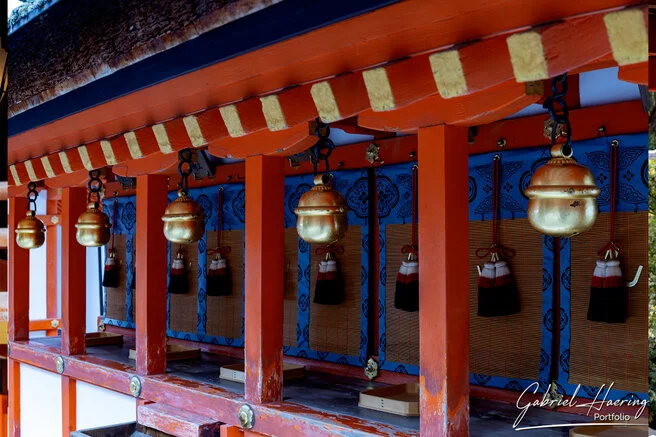
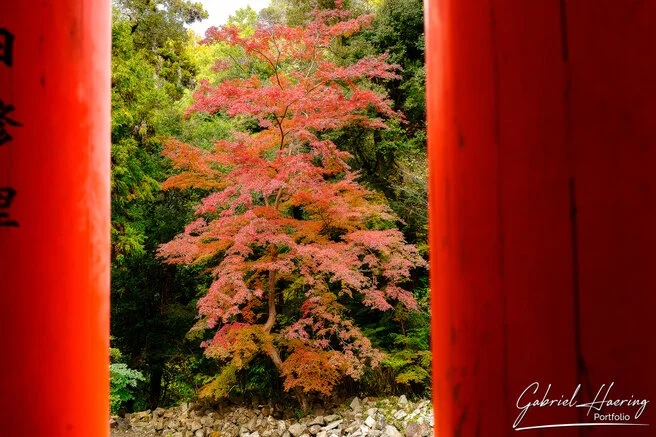
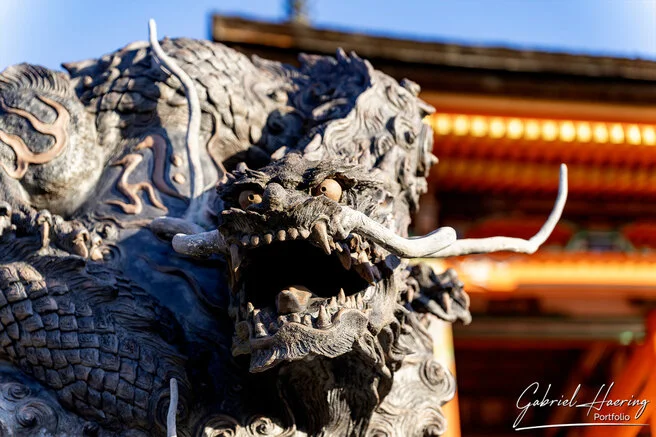
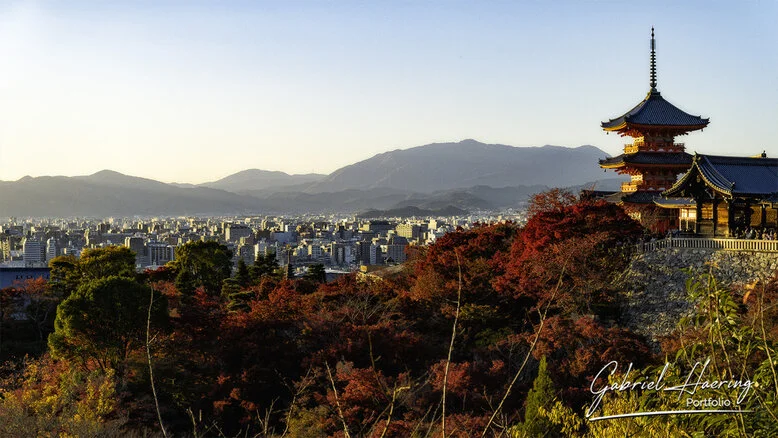
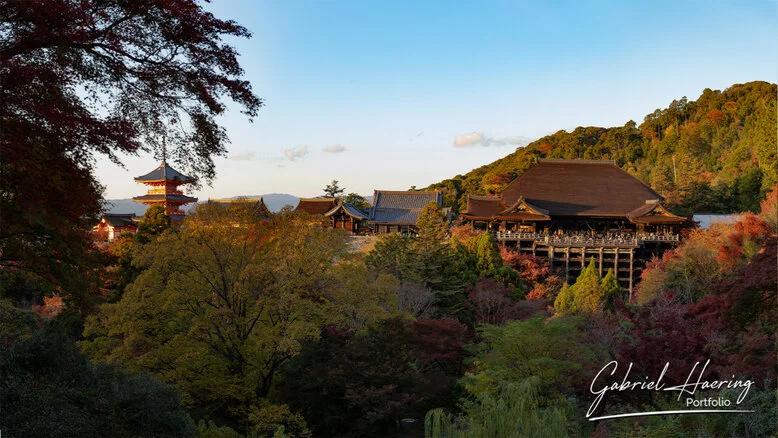
The most memorable moments came in the quieter temples, away from the main crowds. These were the places where we could truly slow down, sit for a moment, and simply observe.
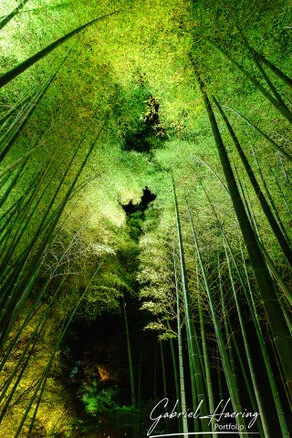
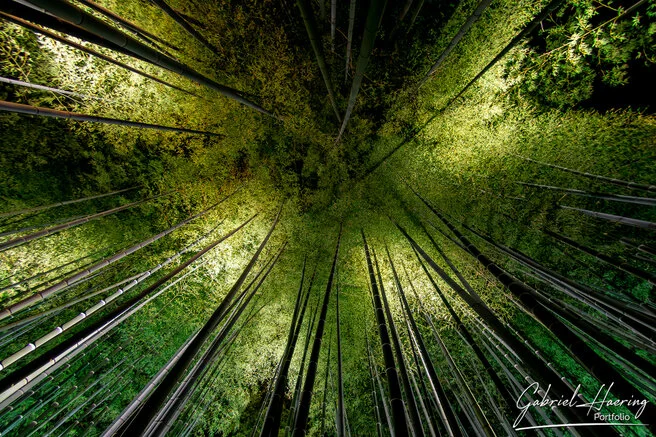
In these gardens, the atmosphere was different: less like sightseeing, more like entering a private space. I remember standing still for a long time, watching how the wind moved through bamboo, how the light changed the colour of the leaves, and how silence itself became part of the experience.
This is where Kyoto felt most authentic to me — not dramatic, not loud, but deeply present.
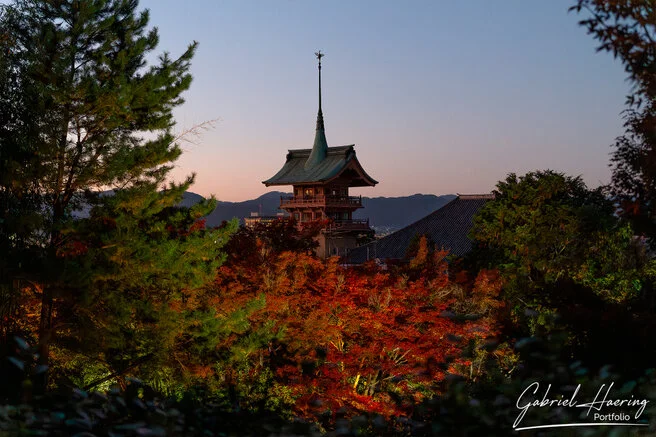
Kyoto’s shrines brought another dimension to the journey. The feeling is often more dynamic: walking through gates, climbing steps, passing small offerings, and discovering viewpoints over the city.
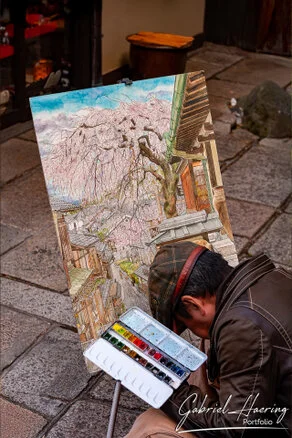
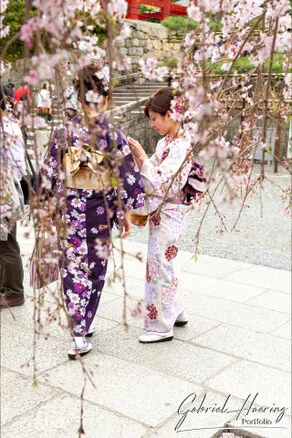
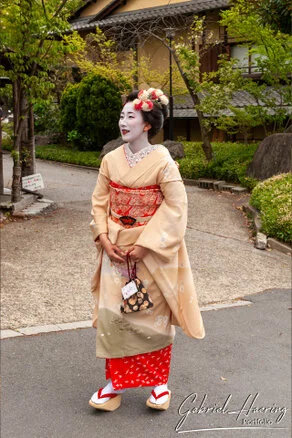
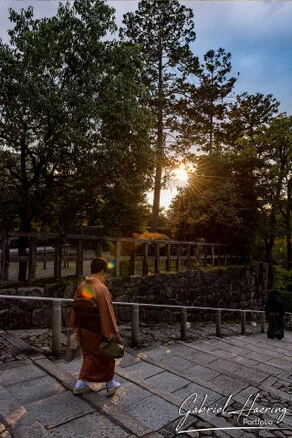
What I enjoyed most was the rhythm of it. Kyoto invites you to walk — not to rush, but to move naturally from one sacred place to the next. And between them, the city itself becomes part of the story: small streets, traditional houses, hidden gardens, and unexpected corners that look like scenes from another era.
By the end of our visits, I realised Kyoto is not about ticking off famous names. It is about atmosphere. Each temple gave something different: one offered grandeur, another offered intimacy, another offered the beauty of nature framed by architecture.
When I look at the photographs now, I don’t just see temples. I remember the feeling of entering those spaces — the calm, the textures, the scent of wood and incense, and the way Kyoto gently forces you to slow down and observe.
It was not only a cultural visit. It was a reminder that beauty often lives in silence and in details.
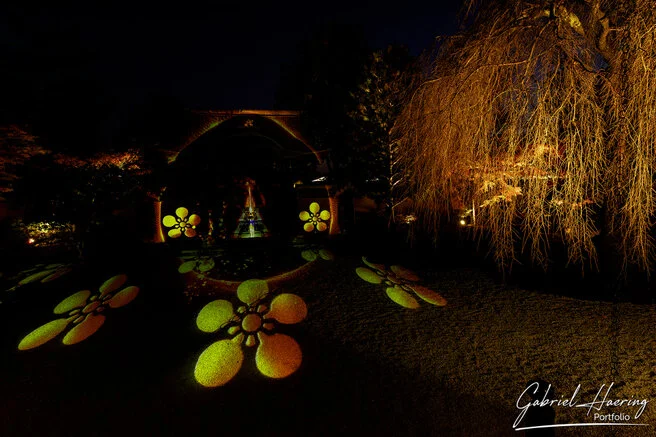
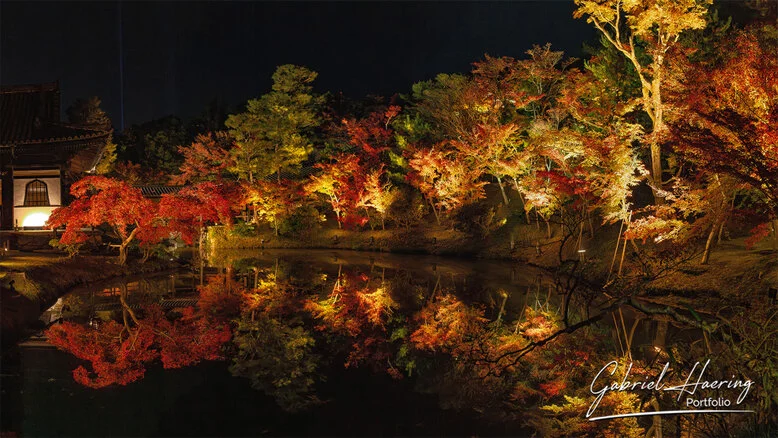
After lunch, we moved on to Kenrokuen Garden, one of Japan’s most renowned landscape gardens. Visiting during the autumn season revealed the garden at its visual peak. Maple trees dominated the scenery, their leaves ranging from yellow to orange and deep red, arranged across carefully maintained paths, ponds, and stone features.
As we walked through the garden, I focused on photographing the relationship between foliage and design. The controlled layout of Kenrokuen allowed for clear compositions: maple branches framing walkways, reflections in still water, and layered vegetation creating depth within the frame. The diversity of color and structure made the garden particularly suitable for both wide landscape views and more intimate detail images.
This day marked a transition from rural heritage to formal landscape architecture. After Shirakawa-go’s traditional village setting, Kanazawa and Kenrokuen Garden offered a different interpretation of Japanese autumn—one shaped by intention, balance, and long-established aesthetic principles.