Kanazawa After Shirakawa-go: Autumn Colors and Garden Design
After the visit to Shirakawa-go, where we experienced the unique character of the traditional gasshō-zukuri farmhouses in their rural mountain setting, we continued our journey north toward Kanazawa. The transition was clear: from a UNESCO-listed village shaped by centuries of agricultural life to a historic city known for its refined culture and urban planning.
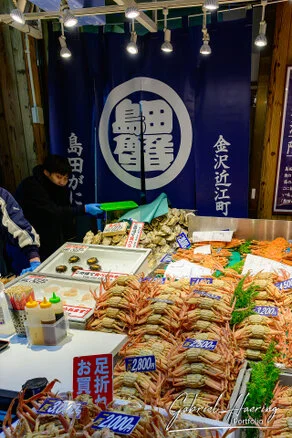
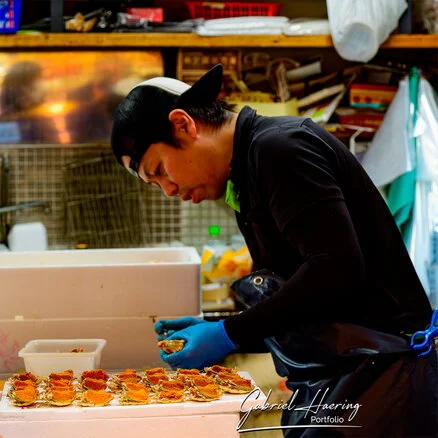
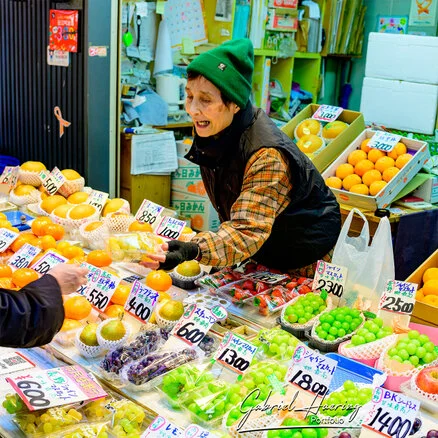
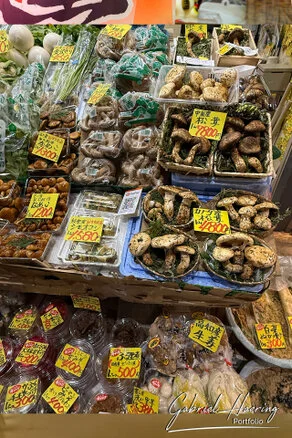
We arrived in Kanazawa in the late morning. Our first stop was Ōmichō Market, where we had lunch. The market was lively and densely packed, with vendors offering seafood, produce, and local specialties. It provided a brief immersion into everyday life in Kanazawa before the afternoon shifted toward quieter, more structured environments.


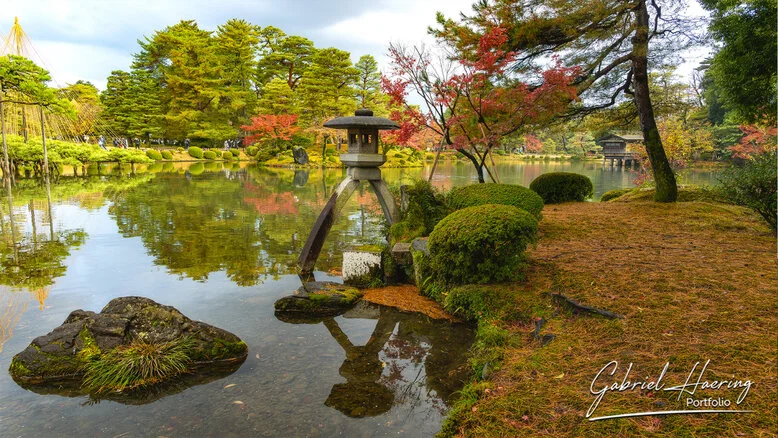
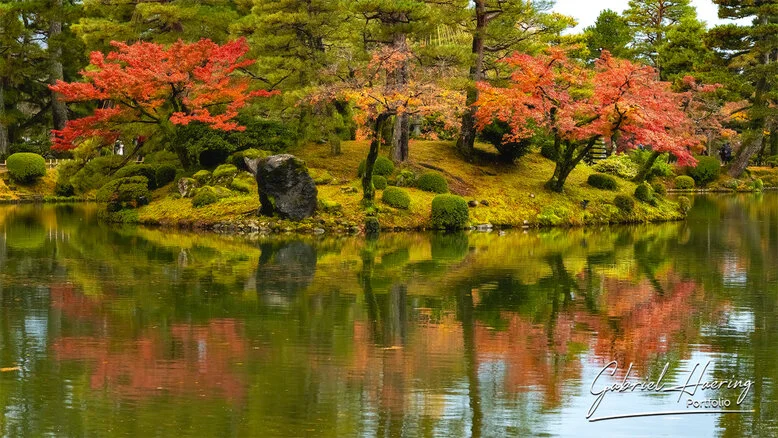
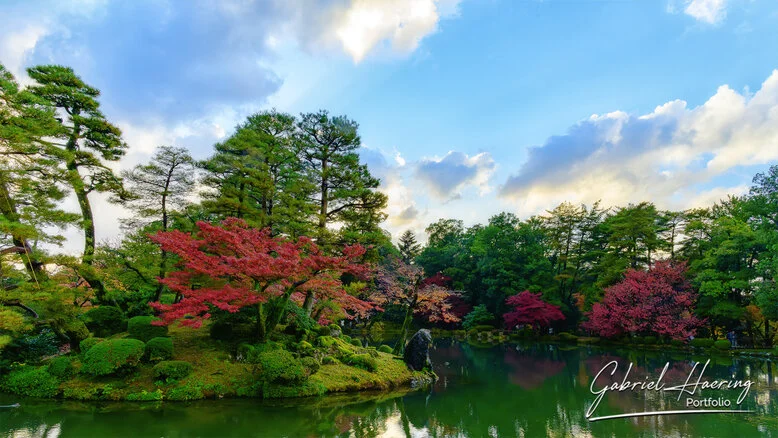
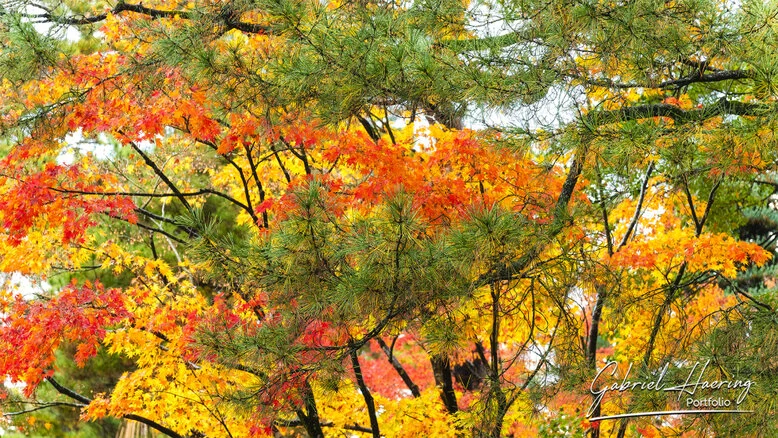
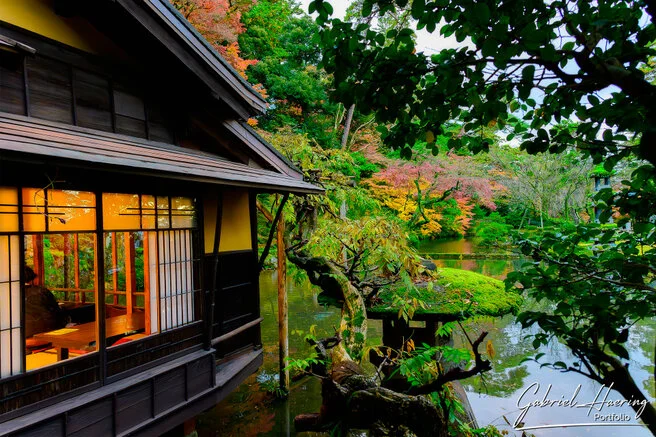
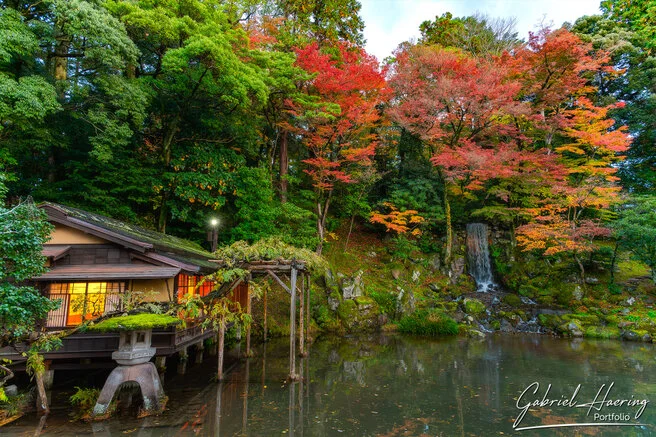
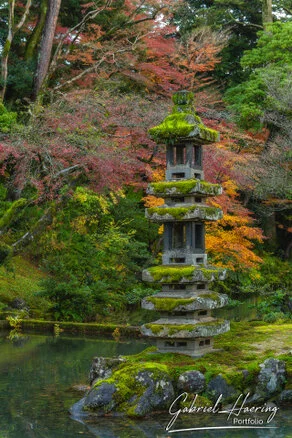
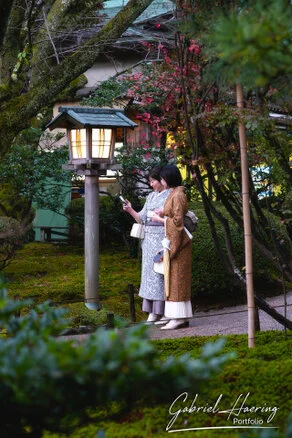
After lunch, we moved on to Kenrokuen Garden, one of Japan’s most renowned landscape gardens. Visiting during the autumn season revealed the garden at its visual peak. Maple trees dominated the scenery, their leaves ranging from yellow to orange and deep red, arranged across carefully maintained paths, ponds, and stone features.
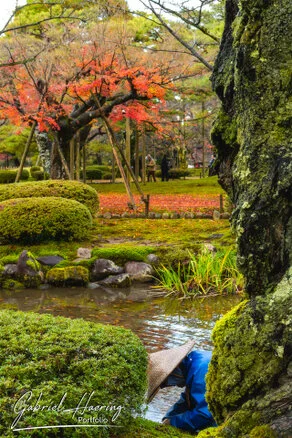
As we walked through the garden, I focused on photographing the relationship between foliage and design. The controlled layout of Kenrokuen allowed for clear compositions: maple branches framing walkways, reflections in still water, and layered vegetation creating depth within the frame. The diversity of color and structure made the garden particularly suitable for both wide landscape views and more intimate detail images.
This day marked a transition from rural heritage to formal landscape architecture. After Shirakawa-go’s traditional village setting, Kanazawa and Kenrokuen Garden offered a different interpretation of Japanese autumn—one shaped by intention, balance, and long-established aesthetic principles.